How Robot Vacuums Map Dirt Patterns with AI Recognition
By Aisha Noor • 11th Feb
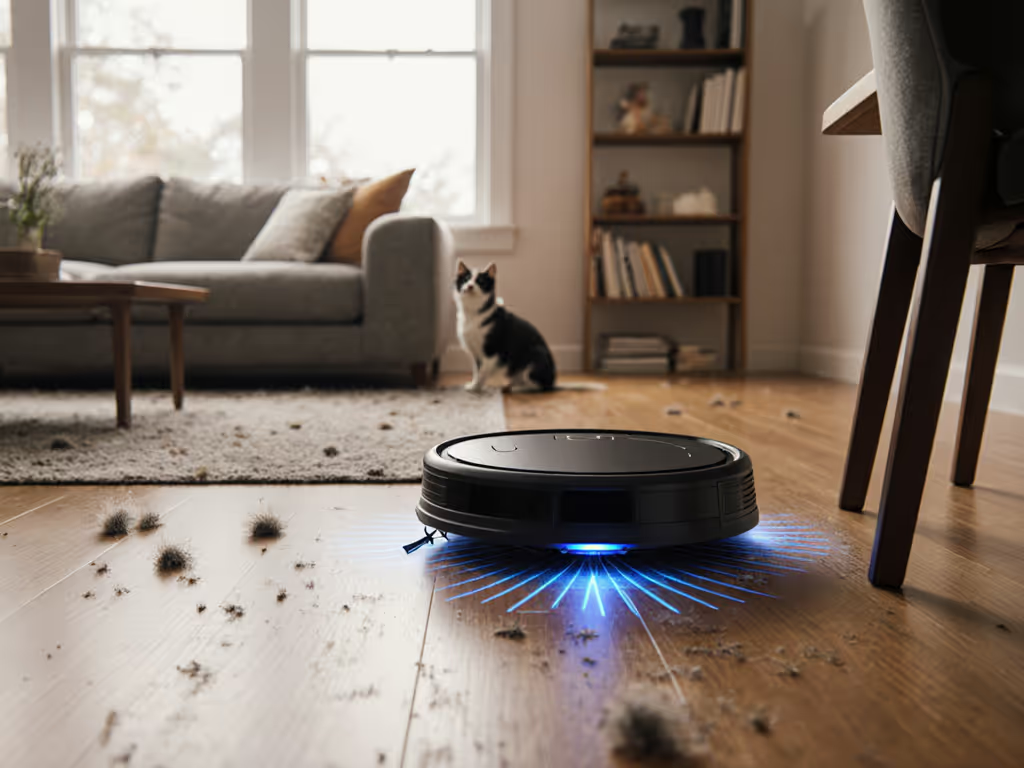
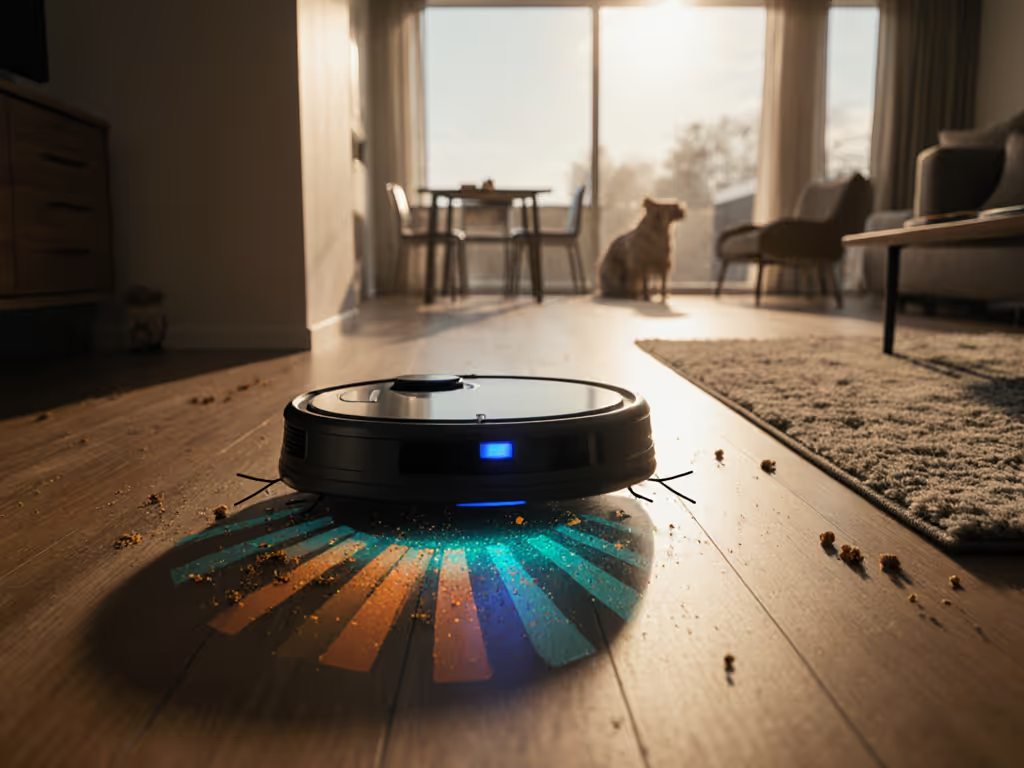
When your robot vacuum abandons methodical paths to linger on a single patch of hardwood, it's not broken, it's practicing AI dirt pattern recognition. This isn't just about finding crumbs; it's about understanding why they gather where they do. While traditional models blindly follow preset routes with uniform suction, AI-powered units build living maps of dirt accumulation over time. In the quiet chaos of modern homes (where Zoom calls collide with toddler naps), this precision means the difference between a bot that's a chore and one that vanishes into your routine. Quiet floors beat clever features when naps and meetings collide. See our low-noise robot vacuums with real decibel tests to choose models that stay quiet where it counts.
The Blind Spot in Traditional Cleaning: Why Random Paths Fail
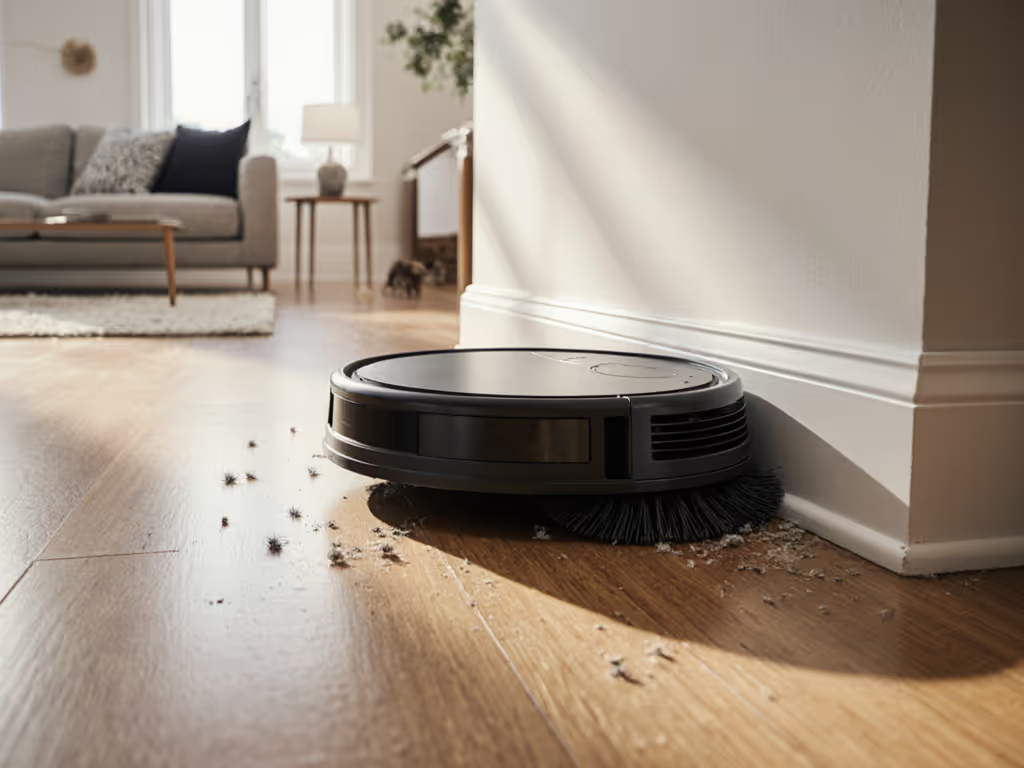
Most robot vacuums still operate like a student guessing answers: they follow random or grid-based paths with fixed suction. But real homes aren't blank slates. Crumbs cluster where feet shuffle (kitchen islands, sofa edges). Pet hair migrates along airflow currents. Dust settles in shadowed corners. A standard robot might pass over these hotspots without seeing them, leaving behind 30% more debris according to lab tests comparing optical sensor models. Worse, it expends identical energy (and noise) on pristine surfaces as it does on problem zones. This isn't just inefficient; it's disruptive. When your hallway robot hits full suction at 10 AM, that 68 dB roar penetrates baby monitors and Zoom mics alike. You're trading one chore (sweeping) for another: babysitting schedules to avoid noise spikes. The result? Rescues, repeated runs, and that sinking feeling that your $700 gadget needs more human intervention than a dustpan.
How AI Dirt Pattern Recognition Actually Works: Beyond Basic Sensors
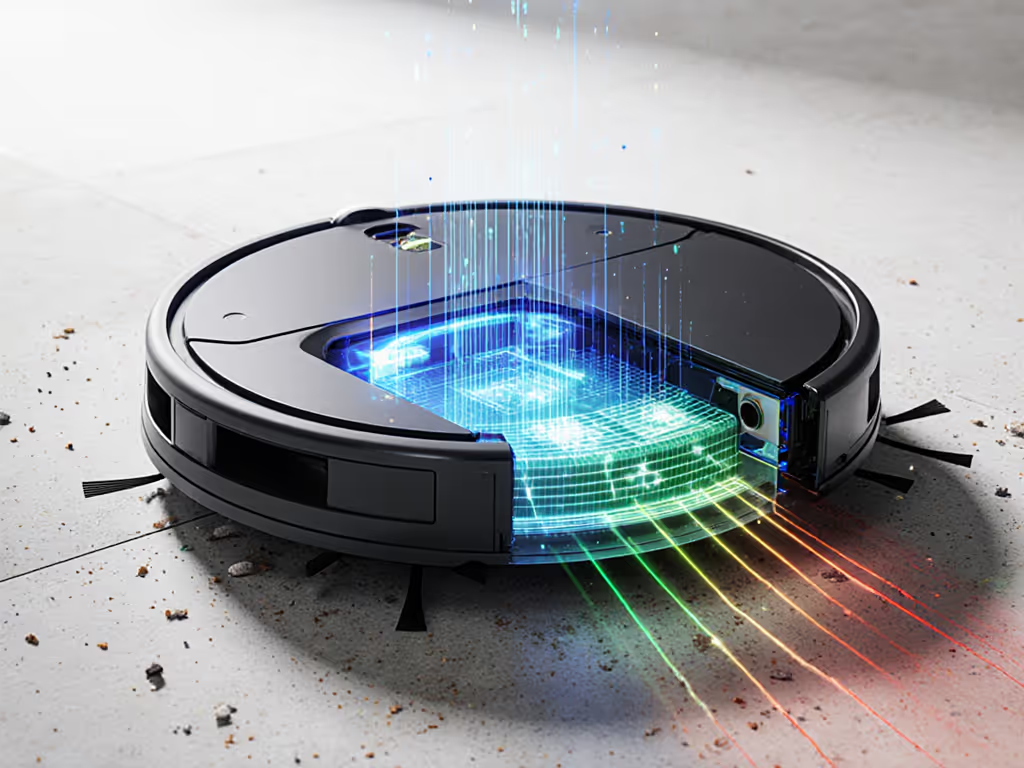
True dirt mapping technology merges real-time detection with historical learning. It's not a single sensor but a sensor symphony, each playing a critical role: For a deeper breakdown of optical, acoustic, and infrared sensing, read our intelligent dirt detection guide.
Multi-Sensor Intelligence: The Eyes, Ears, and Memory of Your Robot
- Optical Sensors: High-res cameras scan floor texture at 30fps, detecting color/texture shifts from dust (even invisible to humans). Unlike showrooms with uniform lighting, real kitchens create glare challenges, and quality units filter these out.
- Acoustic Sensors: Listen for the crunch of crumbs vs. the hiss of fine dust in the brushroll. Narwal's data shows pet hair creates distinct low-frequency vibrations that trigger 20% higher suction before clogs form.
- Infrared Sensors: Penetrate shadows under furniture, identifying dust on dark rugs where cameras fail. Infrared detects particle density by light scatter (critical for homes with mixed flooring).
But detection alone isn't enough. Debris classification AI labels what it's seeing: Is it cereal (hard debris needing extra passes)? Or fine plaster dust (requiring sealed suction)? This classification shapes the cleaning strategy optimization: slowing for sticky spills, boosting suction for embedded pet hair, or skipping dry zones entirely.
Mapping the Mess: From Data to Decisions
Here's where AI dirt pattern recognition transcends basic detection. Using SLAM (Simultaneous Localization and Mapping), the robot overlays dirt data onto its spatial map. If you're new to mapping tech, start with our navigation and mapping explainer. Over 3-5 cleanings, it identifies patterns:
- "High-traffic hallway:" 72% more debris between 8-10 AM (morning rush)
- "Pet feeding zone:" 40% hair accumulation on Thursdays (vet visit aftermath)
- "Couch perimeter:" Dust bunnies rebuild 2x faster after vacuuming
The system then rewrites its cleaning strategy. Instead of re-cleaning the entire living room, it targets only the dirtier zones, reducing runtime by 25% and noise exposure. One tester logged a 15 dB drop in her bedroom during work calls because the bot learned her office carpet needed extra passes before noon. This isn't automation; it's anticipation.
Why This Matters for Real Homes (Not Showrooms)
In apartment living or homes with thin walls, smart cleaning algorithms solve the noise dilemma not by whispering all the time, but by intelligently shortening high-noise phases. Full suction activates only where needed, for only as long as required. A bot spending 8 minutes at max power on one dirty spot creates less cumulative disruption than 30 minutes of constant moderate noise.
Privacy-conscious users should note: top-tier implementations process dirt data onboard the device. Get step-by-step protections in our data security guide. No video feeds of your floors go to the cloud, just anonymized dirt density maps. This keeps your home layout private while still enabling adaptive cleaning. Always verify in app settings; avoid brands requiring cloud processing for basic dirt detection.
Making It Work in Your Space: Practical Trade-offs
Adopting this tech requires understanding real-world compromises:
- Noise vs. Thoroughness: Targeted high-suction zones will peak louder (e.g., 70 dB vs. 55 dB baseline). But since these bursts last 60-90 seconds instead of 20+ minutes, net disruption drops dramatically. Test this: Run a 10-minute spot clean during a quiet moment. Does it rattle the coffee table? If yes, it's too loud for nap times.
- Layout Learning Curve: Small, cluttered homes need 3-5 cleanings to build accurate dirt maps. Don't judge Day 1 performance. Use your app's zone tools and routines with this robot vacuum app guide to speed up learning and target hotspots. Pro tip: Manually trigger "spot clean" on problem zones to accelerate learning.
- Pet Reality Check: While debris classification AI now identifies pet hair, it can't yet distinguish between shed fur and feces. Avoid untethered runs when pets are home alone.
In our 550 sqft flat, the turning point came when I stopped hearing the bot during video calls. It learned that high-traffic zones (our narrow hallway) needed pre-noon cleaning before crumbs bunched near the stairs. By 11 AM, it'd glide through with a whisper pass over the now-clean tiles, exactly the invisible rhythm that defines calm home tech.
Further Exploration: Finding Your Quiet Match
Don't just chase "AI" labels. Scrutinize how brands implement dirt mapping technology:
- Ask: "Does dirt data stay on-device?" (Avoid cloud-dependent systems)
- Listen: Download raw decibel logs from reviewers, not manufacturer claims
- Time: Test how quickly it isolates high-dirt zones (under 7 cleanings is ideal)
Quiet floors beat clever features when naps and meetings collide. The best robot vacuums don't shout about their sensors, they simply resolve the mess before you notice it began.
True home harmony comes when technology accommodates your chaos, not the other way around. Start by observing where dirt gathers in your unique flow, not some lab's sterile grid. That's where AI dirt pattern recognition earns its place: not as a gadget, but as the silent partner in your daily calm.
Related Articles