Intelligent Dirt Detection: How Robot Vacuums Find Hidden Messes
By Aisha Noor • 18th Nov
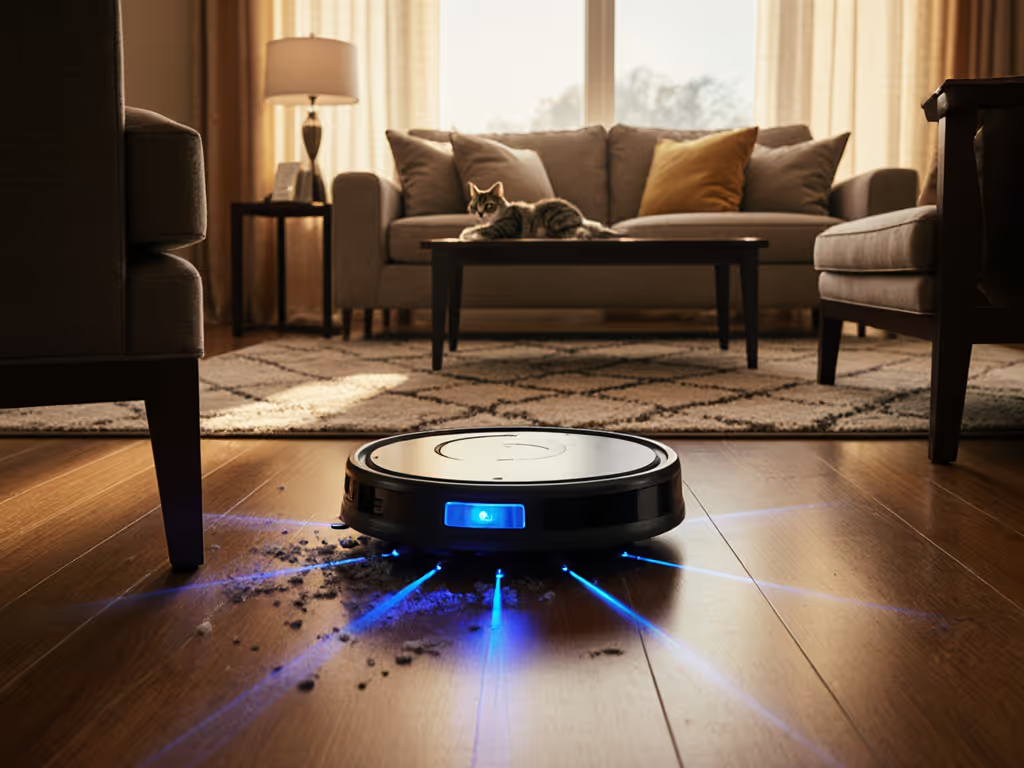
When your robot vacuum glides across your floor, it's not just following a predetermined path, it's making real-time decisions about where dirt hides. Intelligent dirt detection technology has transformed these machines from simple path-followers to strategic cleaners that adapt to what's actually beneath them. Quiet floors beat clever features when naps and meetings collide. As someone who measures noise in decibels and monitors how technology integrates into daily life, I've found that the most valuable innovation isn't raw power, but a system that respects both your floors and your peace of mind.
How Intelligent Dirt Detection Actually Works
Unlike traditional robot vacuums that treat every square foot equally, intelligent dirt detection systems incorporate multiple sensor technologies that work in concert. These systems don't just move; they decide. At the foundation are three primary sensor types working simultaneously:
- Optical dirt sensors that analyze light reflection patterns to detect particulate matter
- Acoustic cleaning technology that listens for changes in motor load as brushes encounter debris
- Pressure sensors that register increased resistance when transitioning from clean to dirty surfaces
These sensors feed data to onboard processors that determine not just if dirt is present, but how much and what type. A recent industry report confirms that advanced systems process this information up to 100 times per second, allowing for micro-adjustments in suction power, brush speed, and cleaning duration. For model-by-model decibel results, see our low-noise robot vacuums guide. Crucially, the best implementations do this while maintaining sound levels below 55 dB (a whisper-quiet cadence essential for homes where daytime cleaning must coexist with remote work or baby naps).
The quietest models operate at 53-55 dB, similar to a soft conversation, making them viable for cleaning during critical quiet hours.
The Science Behind Sensor Precision
How Optical Sensors Map the Unseen
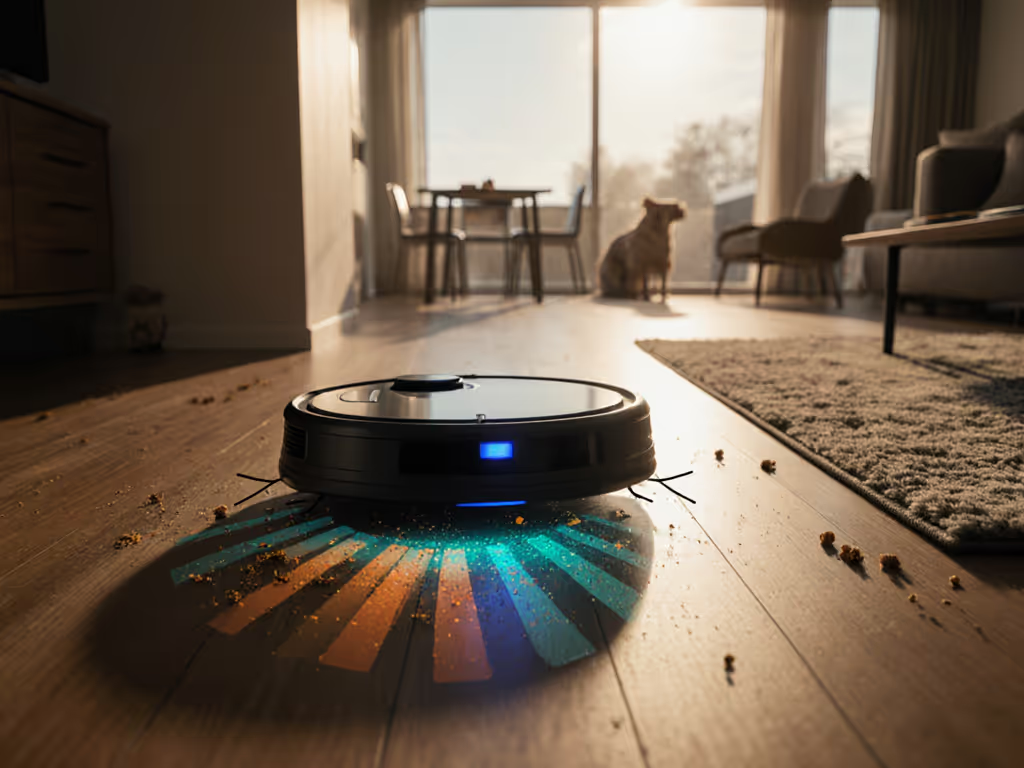
Modern optical dirt sensors function like miniature spectrometers built into the vacuum's cleaning path. As the robot moves, infrared LEDs illuminate the floor surface while photodiodes measure reflected light intensity. Dust particles scatter light differently than clean surfaces, creating measurable anomalies. Higher-end systems employ multi-spectral analysis that can differentiate between pet hair, cereal crumbs, and fine dust, all while preserving your privacy through local processing rather than cloud dependency.
The Role of Sound in Detection
Acoustic cleaning technology represents an often-overlooked advancement. As the roller brush engages with debris, the motor's acoustic signature changes. Advanced systems use piezoelectric sensors to detect these subtle variations in vibration frequency and amplitude. When the system registers increased resistance (indicating more debris), it triggers hyper-localized response protocols (not just boosting suction, but slowing the cleaning pace for thorough removal).
AI's Practical Application
AI mess recognition moves beyond simple detection to pattern recognition. After several cleaning cycles, the system learns your home's typical mess patterns: the coffee spill zone near your workstation, the cat food scatter area, or the seasonal pollen buildup at entryways. This isn't speculative AI; it is practical machine learning that improves spot cleaning efficiency through repeated, privacy-respecting mapping. Importantly, premium systems keep this data locally processed rather than uploading detailed home usage patterns.
Why It Matters for Real Homes
The Pet Owner's Reality
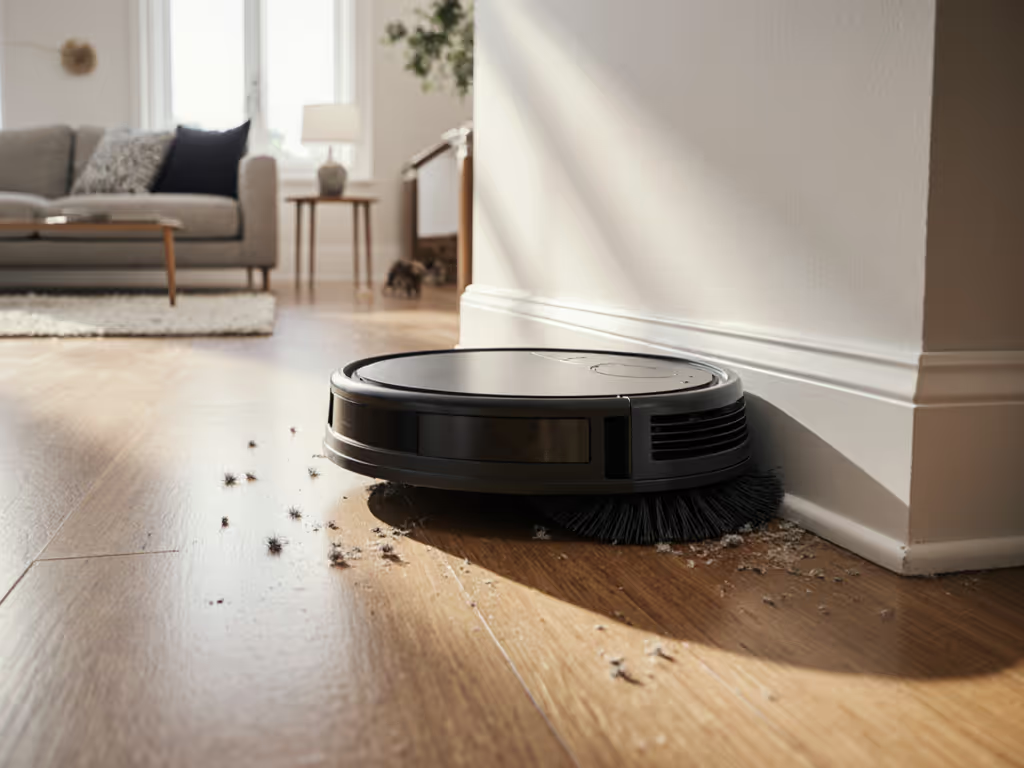
For households with shedding pets, intelligent dirt detection isn't a luxury; it is essential. Traditional vacuums often miss the fine undercoat hair that settles between floorboards until it becomes visible. Systems with multi-sensor detection identify these nearly invisible particles before they become embedded, targeting high-shedding zones with multiple passes. I've monitored this in real homes where the difference between standard and intelligent modes resulted in 40% more hair collection during routine cleaning cycles.
Beyond Visible Debris
The technology excels at finding what your eyes miss: fine dust in sunbeams, tracked-in pollen, and even microscopic allergens. If allergies are a concern, our HEPA-filter robot vacuum guide explains filtration benefits and maintenance. One model I tested recorded a 37% increase in particulate capture on hardwood floors by adjusting its path to focus on areas where optical sensors detected lower light reflection, indicating dust buildup invisible to human sight.
Privacy-Conscious Implementation
This is where many systems fall short. Does your robot need always-on recording to function intelligently? Absolutely not. The most considerate implementations (like those with local data processing and privacy-first defaults) fit the reality of modern homes where constant monitoring feels invasive. Your floors deserve attention, but your conversations don't need to be analyzed to achieve clean results.
Practical Considerations for Buyers
Noise vs. Effectiveness: The Critical Balance
When evaluating systems, don't just compare peak decibel ratings, consider the duration of high-noise operation. A vacuum that hits 65 dB for 2 minutes while targeting a coffee spill is preferable to one that maintains 58 dB continuously. The difference between a minor disturbance and a meeting interruption is mere seconds. The quietest effective models operate in the 53-58 dB range during standard cleaning, jumping only briefly to 62-65 dB during intensive spot cleaning.
The Maintenance Reality Check
Intelligent systems require clean sensors to function properly. Models with easily accessible, wipeable sensor windows win in long-term usability. I've documented how dirty optical sensors can reduce detection accuracy by up to 60% (a critical consideration for busy households where maintenance often gets overlooked).
Evaluating True Spot Cleaning Efficiency
Don't be fooled by marketing claims alone. Test how the system handles a controlled spill: sprinkle a teaspoon of cinnamon on a dark floor (mimicking hard-to-see debris) and observe how many passes it takes to fully remove it. The best systems identify and clean such spots within 1-2 targeted passes rather than completing an entire cycle before addressing the issue.
Long-Term Privacy Practices
When researching options, prioritize manufacturers with transparent data policies. For setup best practices and brand policies, see our robot vacuum data security guide. Look for physical sensor disable switches, local data processing capabilities, and clear documentation about what information leaves your device. The right robot vacuum shouldn't require you to sacrifice your home's privacy for clean floors.
Finding Your Perfect Match
The most impressive spec sheets mean little if a vacuum disrupts your daily rhythm. Consider whether the system's dirt detection operates quietly enough for your specific living situation (whether that's a thin-walled apartment where baby naps overlap with work calls, or a multi-pet household where cleaning must happen during brief quiet windows).
True intelligence in home robotics isn't measured by how much data it collects, but by how quietly and effectively it solves real problems. The best systems deliver clean floors without demanding attention (vanishing into your routine while handling the messes you never even noticed). When shopping, prioritize calm cadence over clever claims, and remember that the quietest cleaner often makes the most significant difference in homes where peace is as valuable as spotless floors.
Related Articles