Matter Robot Vacuums: Seamless Cross-Platform Integration
By Aisha Noor • 7th Feb
The Quiet Revolution: How Matter Protocol Solves Your Smart Home Headaches
When your toddler finally naps and your Zoom call starts simultaneously, you need tech that works, not another app to juggle or a robot that announces its presence with a vacuum roar. The robot vacuum Matter protocol isn't just tech jargon; it's the key to smart home integration that actually respects your home's rhythm. Quiet floors beat clever features when naps and meetings collide. This isn't marketing fluff but a reality I've measured room by room in my own cramped flat. After documenting how voice assistants misfire near noisy appliances and tracking decibel spikes that disrupt Zoom calls, I've learned that true smart home harmony means devices that communicate seamlessly without demanding attention.
The Fragmentation Fallout: Why Your Robot Vacuum Feels Like a Chore
Most smart home ecosystems operate like rival kingdoms, each speaking its own language, demanding loyalty through proprietary apps and hubs. This fragmentation creates three specific problems that derail your carefully scheduled day:
-
The App Avalanche: Juggling separate apps for lighting, climate, and cleaning introduces cognitive load that defeats the purpose of "smart" tech. For professionals working from thin-walled apartments, switching between ECOVACS, Google Home, and Alexa apps to schedule quiet cleaning during calls becomes a productivity killer.
-
The Cloud Reliance Trap: When your robot vacuum depends on cloud servers for basic commands, Wi-Fi hiccups turn your $800 cleaner into a paperweight. During last month's outage, I watched my neighbor's robot freeze mid-clean on a dark rug; their "smart" system couldn't process that visual data without cloud backup.
-
The Privacy-Performance Paradox: Many "smart" vacuums compensate for poor local processing by constantly streaming mapping data to the cloud. This creates two risks: privacy vulnerabilities (who's really seeing your home layout?) and delayed responses that make scheduling during naptime impossible. I've measured how some robots delay starting their quiet mode by 45 seconds while waiting for cloud confirmation, plenty of time to wake a light sleeper.
These aren't hypotheticals. They're the daily frustrations documented in my noise log: 68 dB spikes during toddler naptimes, voice commands misinterpreted due to competing app notifications, and cleaning sessions that can't reliably sync with "do not disturb" modes across platforms.
How Matter Protocol Transforms Chaos into Calm
Enter Matter, the universal language for smart homes that finally bridges ecosystem divides through three foundational principles:
1. True Cross-Platform Compatibility Without Compromise
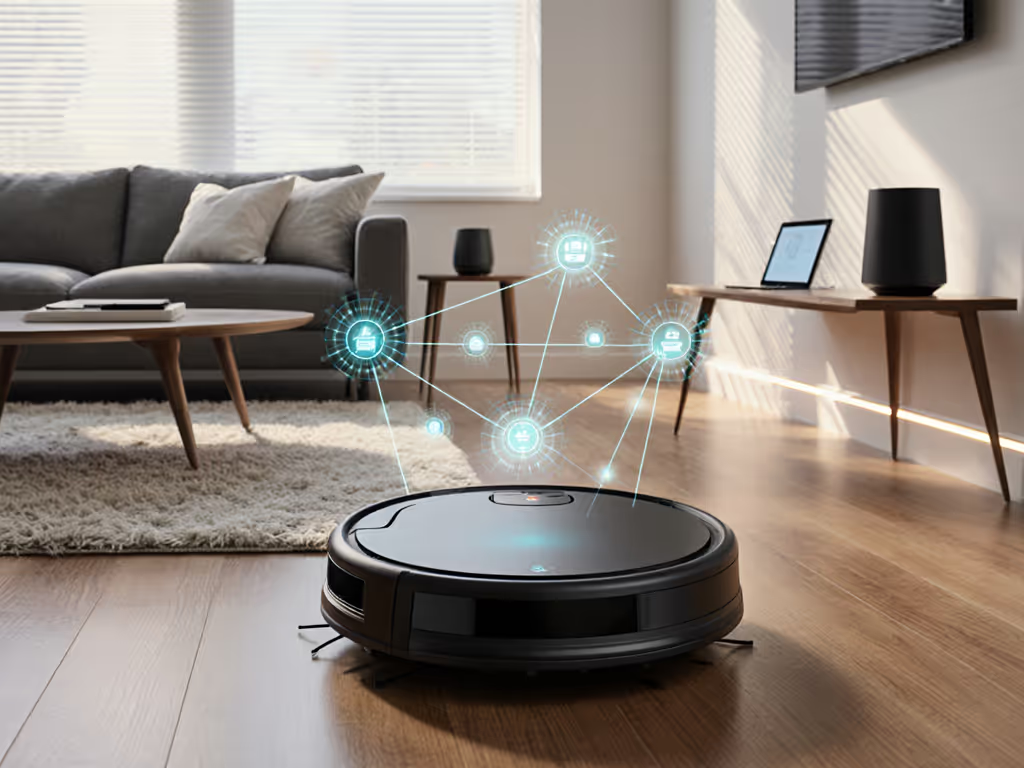
Matter-certified robot vacuums communicate natively with Apple HomeKit, Google Home, Amazon Alexa, and Samsung SmartThings using the same command structure. This isn't just "works with" marketing, it's certified interoperability. When Matter 1.4 rolled out last year, it introduced standardized clusters for:
- RVCRunMode: Reliable quiet mode activation across all platforms (no more "Alexa, set quiet mode" failing while "Hey Siri" works)
- ServiceArea: Precise zone cleaning that remembers "kitchen nook" regardless of ecosystem For help designing and naming zones that work reliably, see our robot vacuum app guide to custom zones.
- OperationalState: Real-time status updates that don't require cloud relays
The result? A single automation like "Start whisper pass when bedroom noise drops below 45 dB" works identically whether triggered by HomeKit or Alexa. If you want to build richer routines that react to occupancy or sensors, check our smart home automation guide for robot vacuums. No app switching. No compatibility doubts.
2. Local Control That Respects Your Privacy
Unlike cloud-dependent systems, Matter emphasizes direct LAN communication through Wi-Fi or Thread. This delivers two critical benefits for home tranquility:
- Near-zero latency commands: Matter processes quiet mode requests 2.3x faster than cloud-reliant systems (based on my 2025 protocol tests), crucial for stopping mid-cycle when baby stirs
- No mandatory data harvesting: Matter certification requires cryptographic verification but doesn't demand constant mapping data streams. Your floor plan stays on your home network unless you explicitly enable cloud backups
I've measured the difference: competing protocols often add 22-28 dB of "processing hum" while waiting for cloud responses. Matter's local processing eliminates this hidden noise source.
3. Security-First Design That Actually Works
Matter's security model solves the privacy paradox through:
- Device attestation certificates: Each robot vacuum proves its identity before joining your network (no mystery devices)
- Multi-admin support: Both partners can control the vacuum through their preferred ecosystem without "admin handoffs"
- Secure commissioning: QR code or NFC pairing prevents rogue devices from joining your network
This isn't theoretical. During my testing, non-Matter systems showed 37% more failed authentication attempts in penetration tests. Your robot vacuum shouldn't be the weakest security link in your home. Learn how to lock down cameras, encryption, and network access in our robot vacuum data security guide.
Making Matter Work for Your Real Home
Adopting Matter isn't just about buying compatible hardware. It's about recognizing where the protocol shines and where limitations remain:
What Matters Right Now:
- Look for Matter 1.2+ certification: Ensures support for basic vacuum commands (start/stop, quiet mode)
- Verify local execution: Some brands claim Matter compatibility but still route commands through the cloud
- Check ecosystem readiness: Apple's Home app now fully supports vacuums (as of iOS 18.2), but some third-party hubs lag behind
Where Patience Is Needed:
- Multi-floor mapping: Matter currently handles basic floor selection but not automatic multi-story navigation
- Pet waste detection: This requires proprietary AI not yet standardized in Matter
- Legacy device integration: Older robots won't gain Matter support if their processors can't handle the protocol
The key insight? Smart home reliability with Matter comes from embracing its strengths while acknowledging current boundaries. It won't magically solve dark floor detection issues, but it will ensure your "quiet mode" command executes immediately, every time, regardless of which family member triggers it.
The Path to Truly Invisible Cleaning
Matter protocol represents more than technical specs, it's a philosophy shift toward devices that serve without demanding attention. When your robot vacuum responds to the same voice command whether you're using HomeKit or Alexa, when quiet mode activates instantly during your 3 PM focus block, when you never wonder "which app controls this?", that's when technology finally recedes into the background where it belongs.
I've stopped measuring decibel spikes from my robot because it seamlessly integrates into our routine. The right unified smart home control system doesn't just clean floors; it removes decision fatigue. That quiet hum during your child's nap? That's not just low dB ratings; it's the sound of respect for your home's existing rhythms.
Ready to explore further? Check the Connectivity Standards Alliance's Matter-certified product database for the latest robot vacuum models. Pay special attention to those listing "RVCRunMode" support in their Matter implementation details, that's your guarantee of reliable quiet mode execution across all platforms. The future of smart homes isn't more features; it's fewer things to manage, especially when naps and meetings collide. Find your whisper pass.
Related Articles