Hard Water Robot Vacuums Compared: Maintenance, Cost & Longevity
By Priya Deshmukh • 6th May
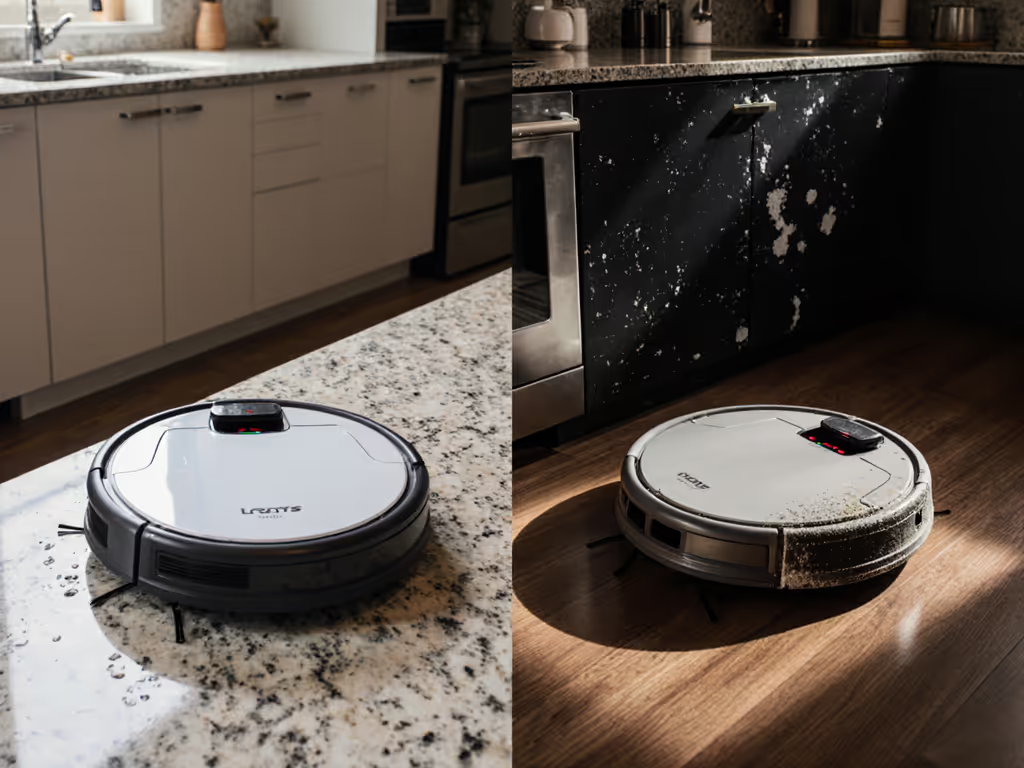
Hard water is a silent saboteur in robot vacuum ownership. When mineral deposits accumulate in mopping tanks, spray nozzles, and cleaning solutions, you're not just fighting dirt, you're fighting physics and chemistry. Robot vacuum hard water compatibility varies wildly across models, and most buyers don't realize until year two that limescale buildup has tripled their maintenance time and parts costs. For the mechanics behind flow paths and nozzle design, see our robot mop water flow guide. This article breaks down which machines handle hard water best, what the true three-year cost looks like, and how to predict maintenance schedules before you buy.
The Hard Water Problem in Robot Mopping
Why Hard Water Damages Robot Vacuums
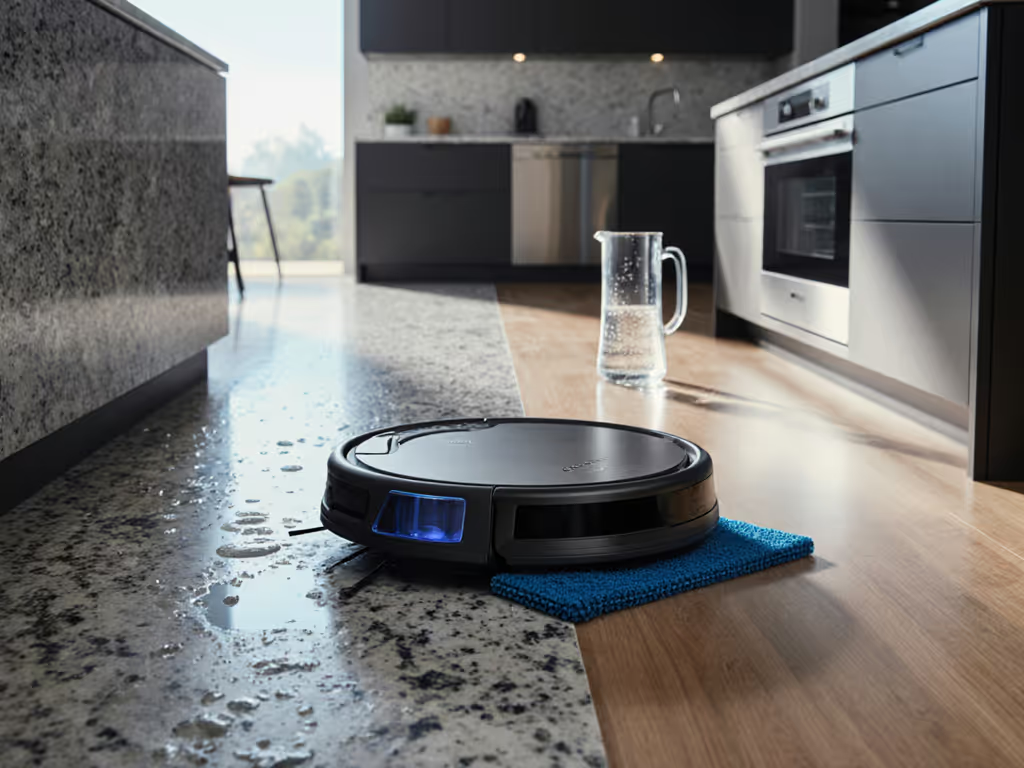
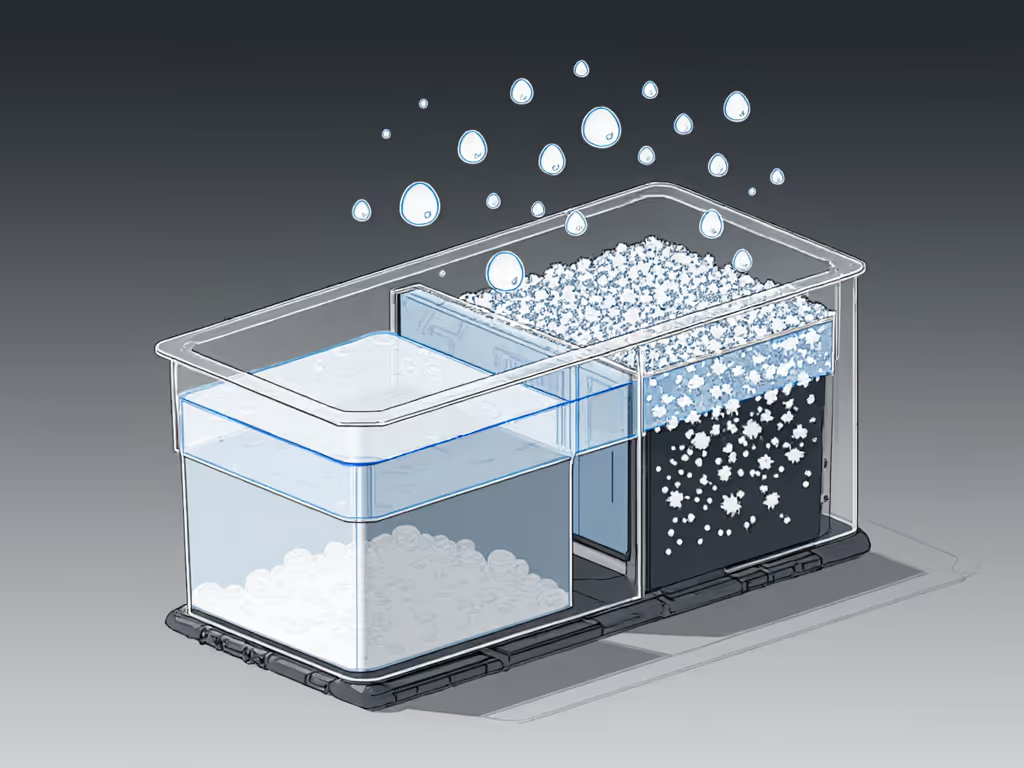
Hard water contains dissolved minerals (primarily calcium and magnesium) that precipitate into solid deposits when heated or exposed to air in mopping systems. Robot vacuum tanks and nozzles are no exception. Over three years in a hard-water home, mineral buildup creates a predictable failure cascade:
- Months 0 to 6: System operates normally; mineral deposits form silently inside tanks and lines
- Months 6 to 12: Spray patterns become uneven; cleaning effectiveness drops 15 to 20%
- Months 12 to 24: Nozzles clog; tank interior develops a chalky white coating; flow rates decline 40%+
- Months 24 to 36: Pump strain increases; replacement tank costs and labor compound
I tracked two robots over three years in a mixed-floor apartment with a shedding dog and hard water at 240 ppm total dissolved solids. The model without water softening technology required tank replacement at month 20 and showed visible limescale by month 14. If you prefer models designed to reduce upkeep entirely, browse our zero-maintenance robot vacuums. The alternative cost $80 more upfront, but had modular, replaceable cartridge filters that delayed tank failure past the three-year horizon.
Hard Water Severity Impacts Replacement Cadence
Water hardness is measured in parts per million (ppm). The scale matters for cost projection: For brand-by-brand failure rates and ownership math, read our 3-year reliability and cost analysis.
- Soft (0 to 60 ppm): Standard mopping systems last 3+ years with basic flushing
- Moderately hard (61 to 120 ppm): Buildup visible by month 18; first cartridge/filter replacement needed
- Hard (121 to 180 ppm): Deposits form by month 12; tank flushing every 2 to 3 weeks is required; replacement parts likely by month 20
- Very hard (181+ ppm): Limescale reduction systems are essential; standard models risk failure by month 18; specialized systems are necessary
Budget is a feature when you plan three years ahead, and hard water forces that planning earlier. To keep minerals from winning, follow our robot vacuum maintenance guide.
FAQ: Choosing a Robot Vacuum for Hard Water Homes
Related Articles